The Oval event rubbish clearance match day cleanups
Posted on 08/05/2026
The Oval event rubbish clearance match day cleanups: a practical guide for smoother, cleaner match days
If you've ever walked away from a big match at The Oval and noticed how quickly cups, food packaging, flyers, and bulky waste can build up, you already know the problem. On a busy cricket day, rubbish does not wait politely for the final over. It spreads across walkways, gathering points, hospitality areas, and nearby streets before anyone has time to catch their breath. That is exactly why The Oval event rubbish clearance match day cleanups matter: they keep the venue presentable, reduce safety risks, and help the whole area recover quickly once the crowd moves on.
This guide explains how the process works, who needs it, what can go wrong, and how to plan it properly. You'll also find a checklist, a comparison table, and a few real-world pointers that make the difference between a frantic tidy-up and a calm, efficient cleanup. To be fair, the best cleanups are the ones most people never notice.
For readers who want a broader view of service options, it can also help to look at the full range of rubbish clearance services and see how they fit different event and property needs.
Why The Oval event rubbish clearance match day cleanups Matters
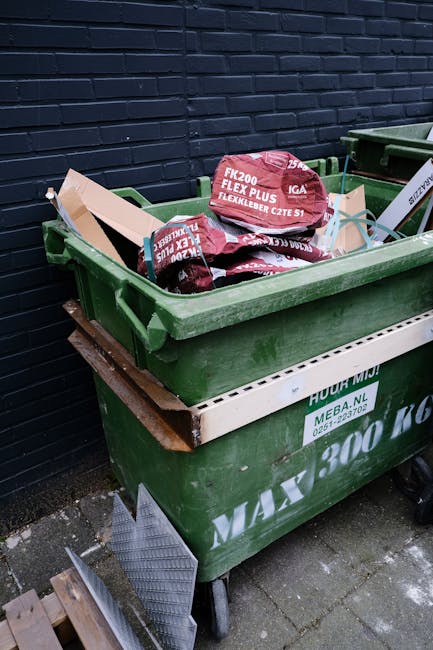
Large match days create a very particular kind of mess. It's not just "rubbish" in the abstract. It's a mix of light litter, food waste, cardboard, drinks containers, broken packaging, loose promotional material, and sometimes bulky items from temporary setups. Around a stadium like The Oval, that build-up can happen fast, especially at entry points, concourses, hospitality spaces, smoking areas, and exit routes.
Good cleanup planning matters for a few practical reasons. First, it keeps people moving safely. Slippery packaging, stray bottles, and overflowing bins can create trip hazards. Second, it protects the venue's image. A clean ground feels organised and cared for; a cluttered one feels chaotic, even if the match itself was brilliant. Third, it supports the wider neighbourhood. When crowds disperse into local streets, waste can drift beyond the stadium boundary and into nearby residential or commercial areas.
There's also the simple matter of turnaround. Match-day spaces often have limited time before the next event, set-down, or maintenance window. So the cleanup needs to be efficient, predictable, and coordinated. If it isn't, small problems get multiplied. Anyone who's ever tried to wheel a full sack past a stubborn crowd at 6:30 pm will know the feeling. Not fun.
For a local context on the area and how venue activity sits alongside everyday life, you may also find these Kennington neighbourhood insights helpful. They give a clearer picture of why event waste management has to work alongside residents, visitors, and businesses all at once.
How The Oval event rubbish clearance match day cleanups Works
Most effective event cleanup plans are built in layers. They start before the crowd arrives, continue during the match, and finish after the final clearance. That sounds obvious, but the difference between a tidy event and a stressful one usually comes down to whether those layers are actually coordinated.
1. Pre-event planning
Before gates open, the venue or contractor should review the expected crowd size, the layout of waste points, access routes, and the type of waste likely to be generated. A cricket match with hospitality zones, catering stands, and temporary branding will need a very different approach from a smaller community event. This is also the moment to think about collection timings, vehicle access, and which waste streams need separate handling.
Where applicable, this planning should also align with the venue's own operational procedures and safety arrangements. If you need a more general overview of what a reputable provider can cover, have a look at waste removal in Kennington and how it can support varied site conditions.
2. During-event litter control
During the match, the goal is containment. That means bins should be placed where people actually walk and gather, not hidden away where nobody sees them. It also means teams may need rolling checks to prevent bins from overflowing. On a busy day, a half-full bin left unchecked can become a full bin in minutes.
In practice, this phase is about keeping waste manageable rather than waiting for the grand clean sweep later. Little and often tends to work best. A few quick rounds through concourses and high-footfall areas can save a much bigger job after closing time.
3. Post-event clearance
This is the part most people picture first. It includes collecting bagged waste, removing loose litter, clearing bulky items, and tidying surrounding areas so the venue resets properly. For large events, this can involve multiple crews or staggered collection windows. The work often extends beyond the immediate stadium footprint, especially where crowd flow has pushed waste toward local pavements, loading zones, and side streets.
4. Sorting and disposal
Waste should be separated wherever feasible. Cardboard, mixed recyclables, food waste, and general rubbish should not all be tossed together unless there is no practical alternative. That matters for sustainability, but also for efficiency and downstream disposal. A clear sorting process saves time later and usually improves recycling outcomes too.
Key Benefits and Practical Advantages
When cleanup is done properly, the benefits are immediate and surprisingly visible. You can feel the difference in the venue atmosphere. People move more easily. Staff spend less time firefighting small messes. The whole event feels better managed.
- Better safety: fewer slip and trip hazards in busy walking routes.
- Cleaner visitor experience: a tidy venue creates a better first impression and a calmer exit.
- Faster reset times: the stadium, hospitality areas, and surrounding spaces return to normal more quickly.
- Improved waste segregation: separating materials early can support recycling and reduce contamination.
- Lower pressure on staff: venue teams can focus on operations instead of chasing rubbish at the last minute.
- Better neighbour relations: local streets are less likely to be left with unsightly litter after crowds leave.
There's also a quieter benefit that people sometimes miss: confidence. When a venue knows its cleanup plan is solid, it can focus on the event itself instead of worrying about the mess that comes after. That peace of mind matters more than people admit.
For organisations that care about reducing environmental impact as well, it may be worth reviewing recycling and sustainability practices. Good cleanup work should not just remove waste; it should help handle it responsibly.
Who This Is For and When It Makes Sense
This kind of cleanup service is relevant for more than just stadium operators. In and around The Oval, a match day can involve several groups with different responsibilities and different headaches.
Venue managers and operations teams
They need dependable waste handling before, during, and after the event. That includes bin management, collection logistics, and coordination with cleaning crews.
Hospitality providers and concession operators
Food and drink areas generate a lot of waste quickly. Packaging, trays, cups, napkins, and food scraps all need prompt handling so service areas don't become cluttered.
Event organisers and promoters
Even when the venue is familiar, special events can create unusual waste patterns. Temporary signage, branded materials, and guest-flow changes often need extra planning.
Local businesses and landlords
If a match day affects nearby premises, a cleanup plan may help with frontage litter, post-event rubbish, or rear access waste. This is especially true if you're managing a property that sees event-day foot traffic. For related local insight, this guide to selling property in Kennington shows how presentation and area upkeep can influence perception, which, truth be told, matters more than people sometimes expect.
Small teams handling one-off events
Even a smaller setup can benefit from calling in extra help if waste volumes are likely to spike. One match with a slightly underestimated crowd can create more rubbish than a team of two can reasonably handle on its own.
If you're deciding whether your event needs support, start by asking: how many bins will fill up, how much packaging will be used, and how quickly do we need the site back to normal? That simple test usually tells you a lot.
Step-by-Step Guidance
Here's a practical way to organise match-day rubbish clearance without overcomplicating it.
- Estimate the waste load. Look at expected attendance, hospitality numbers, catering activity, and any temporary structures. A bigger crowd means more waste, but the mix matters too.
- Map the hotspots. Identify the places where waste will collect first: entrances, food points, seating exits, toilets, smoking areas, and staff-only loading points.
- Set collection timing. Decide whether waste will be removed continuously, in timed rounds, or in a post-match sweep. Many events need a mix of all three.
- Place bins where people naturally stop. If a bin is out of sight, it may as well not exist. This sounds blunt, but it's true.
- Separate waste streams early. Recyclables, food waste, and mixed rubbish should be distinguished where the setup allows it.
- Protect access routes. Make sure sack collection and vehicle movement won't block emergency access or crowd flow.
- Do a final perimeter check. Don't stop at the inner gates. Pavements, kerbs, overspill areas, and temporary queuing zones often hold the last bit of mess.
- Record what happened. A quick note on what filled up first, which bins were overused, and where litter escaped can improve the next match day dramatically.
That last step is underrated. A five-minute debrief can save an hour on the next event. No exaggeration.
Expert Tips for Better Results
Small decisions make a big difference on match day. Here are the habits that usually separate a smooth operation from a messy one.
- Use enough bins, but not random bins. Spread them logically and keep the placement consistent so regular visitors know where to look.
- Plan for the exit rush, not just the match. Some of the heaviest waste surges happen right as the crowd leaves.
- Assign clear responsibilities. If everyone thinks someone else is checking the concourse, the concourse stays messy. Simple as that.
- Keep bagging supplies close to waste points. A crew that has to keep walking back and forth loses time and energy fast.
- Watch the weather. Wind and rain change everything. Light packaging starts skittering across the ground, and wet waste becomes harder to move neatly.
- Build in a buffer. Match days rarely go exactly to plan. A few spare minutes or extra hands can prevent a scramble.
If a lot of bulky material is expected, it helps to think beyond standard bin emptying. For examples of larger-item handling, these bulky rubbish pickup tips are a useful read. Different setting, same principle: bulky waste needs a plan, not just good intentions.
Expert summary: The best match-day cleanups are planned like operations, not chores. Know the waste types, know the pressure points, and keep the final sweep calm and methodical. That usually gets the job done with less disruption and fewer surprises.
Common Mistakes to Avoid
People often think rubbish clearance is straightforward until the event is in full swing. Then the small mistakes become obvious.
- Underestimating waste volume: A few extra catering points or a bigger crowd can change everything.
- Poor bin positioning: If people have to search for disposal points, litter ends up on the ground.
- Leaving the final sweep too late: Waste that sits for hours becomes harder to manage and more likely to spread.
- Mixing waste types without checking: That can reduce recycling potential and make disposal less efficient.
- Blocking access routes: Bags, cages, or vehicles in the wrong spot can slow down the entire operation.
- Ignoring surrounding streets: Match-day waste does not always stay inside the venue boundary.
- Skipping the post-event review: If you never examine what went wrong, you'll repeat the same problem next time. And nobody wants that again, frankly.
A surprisingly common issue is the "we'll sort it later" mindset. Later often arrives when the crew is tired, the light is fading, and everything looks more annoying than it did two hours earlier. Not ideal.
Tools, Resources and Recommendations
A good cleanup doesn't need complicated equipment, but it does need the right basics. The exact setup will depend on the venue and waste profile, yet these items are commonly useful:
- durable bin bags and liners
- clearly labelled bins or cages
- trolleys or carts for moving filled bags efficiently
- gloves and basic PPE
- litter pickers and hand tools
- spill kits for liquid waste or breakages
- route maps for collection points and loading access
- checklists for pre-event and post-event rounds
For broader support on event and site waste handling, the page on tailoring rubbish removal to your needs is a sensible place to start. It helps you think in terms of the actual waste you have, rather than a generic service that may not quite fit.
If your work also touches office spaces, hospitality back rooms, or mixed-use premises, then a service like office clearance in Kennington can be useful for understanding how clear-outs and waste handling are structured in practical settings.
For businesses that are choosing a provider, it is worth checking service clarity, access arrangements, and whether the team can work around event timings. A good provider should make that conversation easy, not vague. If they can't explain how they'll handle the actual site conditions, that's a bit of a red flag.
Law, Compliance, Standards, or Best Practice
Event waste handling in the UK should be approached carefully and sensibly. You do not need to turn a match-day cleanup into a legal lecture, but you do need to respect core duties around waste storage, transport, and health and safety.
As a general principle, waste should be stored securely, collected by appropriately managed teams, and passed on to the correct disposal or recycling route. Venues and contractors should also think about safe manual handling, clean walkways, spill control, and keeping emergency access available. Where items may be sharp, wet, heavy, or contaminated, extra caution is sensible.
If the work involves contractors, it is sensible to confirm that they have appropriate insurance and follow safe working practices. You can review insurance and safety information to understand the sort of reassurance responsible customers look for. It's not glamorous, but it matters.
Data, payment, and terms matter too when you are booking services or managing supplier relationships. Those details may seem secondary on match day, but good operations usually depend on them. If you need to understand the administrative side, see the terms and conditions and payment and security information for the kind of clarity that helps avoid confusion later.
And if you are ever unsure about a specific waste type or access requirement, ask rather than guess. That's the safe choice, every time.
Options, Methods, or Comparison Table
Different cleanup models suit different event sizes. Here's a straightforward comparison to help you think it through.
| Method | Best for | Strengths | Limitations |
|---|---|---|---|
| In-event litter rounds | High footfall match days | Keeps waste under control before bins overflow | Needs ongoing staffing and coordination |
| Post-event full sweep | Smaller events or low-waste areas | Simple to organise | Can be overwhelmed if waste builds up fast |
| Mixed approach | Most Oval match days | Balances speed, control, and final presentation | Requires planning and communication |
| Bulky-item collection | Set builds, hospitality changes, temporary fit-outs | Handles larger waste safely | May need special access and timing |
In many cases, the mixed approach is the most realistic. It is flexible enough to absorb the sudden rushes that come with sport events, yet structured enough to keep the site presentable throughout the day.
If you're comparing broader waste support options, builders waste disposal in Kennington can also be useful as a reference point for understanding how larger, heavier, or mixed waste loads are handled on busy sites.
Case Study or Real-World Example
Picture a match day where hospitality guests arrive early, general admission follows, and the concourse begins filling with wrappers, cups, and napkins by mid-afternoon. The venue team does an initial sweep before gates open, then checks the most active areas again once service begins. A few bin points near food stalls are monitored closely, because those are the places where overflow usually starts.
Later, after the final crowd push, crews move through in sections. They collect loose litter first, then bag and remove the heavier waste from hospitality and catering areas. The perimeter gets one last review, because that's where a gusty evening can leave bottles, flyers, and napkins drifting toward the pavement. Nothing dramatic. Just practical, steady work.
The key lesson from setups like this is simple: waste management works best when it is treated like part of the event, not a postscript. The earlier you manage it, the less visible it becomes. And that's exactly the point.
For people who want to understand the local character of the area around the ground, this overview of Kennington's mix of history and modern living gives useful background. Event planning never happens in a vacuum, after all. Streets, neighbours, transport routes, and commercial activity all play their part.
Practical Checklist
Use this checklist before the next match day cleanup.
- Confirm expected attendance and likely waste volumes.
- Identify waste hotspots around entrances, seating exits, food areas, and toilets.
- Place bins where people naturally queue or pause.
- Check bag supply, liners, gloves, and basic cleaning tools.
- Set collection timings for during-event and post-event rounds.
- Make sure access routes stay clear for staff and vehicles.
- Separate recyclables, food waste, and general rubbish where possible.
- Plan for bulky items or temporary event materials if applicable.
- Inspect the perimeter and nearby streets after the main crowd clears.
- Record lessons learned for the next fixture or event.
Quick takeaway: if the cleanup is easy to describe in one sentence, it is probably too simple. A good plan has timing, roles, access, sorting, and a final sweep. That's the real difference.
Conclusion
The Oval event rubbish clearance match day cleanups are about more than removing litter after the final whistle. They support safety, help the venue reset quickly, protect the surrounding neighbourhood, and make the whole event feel more organised from start to finish. When done properly, they become part of the match-day rhythm rather than a disruptive afterthought.
The best results usually come from good planning, practical bin placement, clear staff roles, and a cleanup method that fits the size and shape of the event. Keep it simple where you can, but never careless. That balance tends to work well.
If you are assessing support for an upcoming fixture or trying to tighten up your existing process, it can help to compare service options, review access and safety needs, and speak to a provider that understands event timing. Small improvements add up fast on a busy day.
Get a free quote today and see how much you can save.
And if you've ever stood near a half-empty concourse just after the crowd has gone, with the evening air finally settling and the last bin bag being tied off, you'll know the feeling: a clean finish just makes the whole day feel better. Simple as that.


Specializing in environmentally conscious junk removal, Chris has contributed significantly to helping thousands of business and home owners maintain properties devoid of rubbish.
 Tipper Van - Rubbish Removal and Waste Collection Prices in Kennington, SE11
 Luton Van - Rubbish Removal and Waste Collection Prices in Kennington, SE11