Lambeth Council rubbish disposal rules Kennington explained
Posted on 07/07/2026
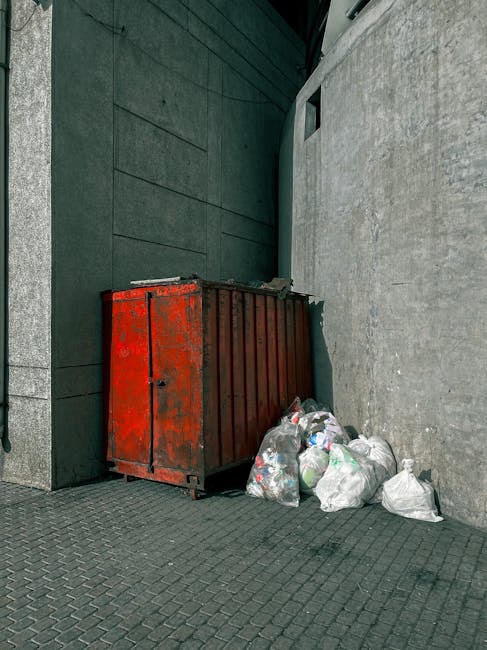
If you live or work in Kennington, rubbish can feel simple right up until it suddenly isn't. One extra bin bag, a broken wardrobe left by the front door, a builders' sack from a weekend DIY job - and you're staring at a question that many people ask at the wrong time: what are Lambeth Council rubbish disposal rules in Kennington, really, and how do you stay on the right side of them?
This guide breaks it down in plain English. We'll cover how the rules tend to work in practice, what usually causes problems, what residents and landlords should watch for, and when council collection may not be the best fit. You'll also find a checklist, a real-world example, and a few smart ways to avoid messy delays. If you want the bigger picture on local living too, the article Life in Kennington: insider insights helps put the area into context.
Why Lambeth Council rubbish disposal rules Kennington explained Matters
Kennington sits in that very London sweet spot where flats, terraces, conversions, small businesses and busy streets all overlap. That sounds charming - and it is - but it also means waste rules matter more than most people expect. Put the wrong thing out at the wrong time, and you can create blocked pavements, unhappy neighbours, and avoidable collection problems.
The practical reason this matters is simple: rubbish disposal is not just about getting rid of waste. It's about doing it in a way that keeps your household safe, avoids contamination, and fits the council's collection approach. Miss the mark and the result can be skipped bins, rejected items, fly-tipping risks, or a scramble to find another solution. Not ideal on a wet Tuesday, let's face it.
There's also a local rhythm to life here. A flat near the station, a Victorian terrace with narrow access, or a property close to a busy road near event traffic all needs a slightly different waste plan. If you want a sense of the local environment, where history meets modern living in Kennington is a useful read.
Key takeaway: In Kennington, the safest approach is to treat council disposal as a system with rules, limits and timing - not as a catch-all for every type of waste in your home.
How Lambeth Council rubbish disposal rules Kennington explained Works
At a practical level, council rubbish disposal usually works through scheduled collections, bin presentation rules, and separate handling for items that do not belong in normal household waste. The exact details can vary by property type, street layout, and what kind of waste you're dealing with, so it's wise to check current local guidance before you put anything out.
Most residents think in terms of "bin day," but that's only the start. You may have general waste, recycling, food waste, garden waste, bulky items, and specialist items all treated differently. Some are collected routinely. Others need booking or a separate disposal route. And some, quite reasonably, simply should not be placed outside your property for a normal pick-up.
A good way to think about it is this: the council system is designed for routine household disposal, while larger or unusual waste often needs a different route. That's why people in Kennington often use a mix of council collection, reuse, recycling, and commercial clearance services depending on the job. For a broader overview of common service types, see the services overview.
In day-to-day terms, the process usually involves:
- Sorting waste into the right stream.
- Checking what can and cannot go in the bins.
- Putting containers out at the correct time and place.
- Making sure nothing obstructs pedestrians or vehicles.
- Using a separate route for bulky, hazardous or trade waste.
If you're dealing with a one-off overflow, such as after a clear-out, the page on your rubbish removal needs is a useful starting point for deciding whether council disposal or a different option makes more sense.
Key Benefits and Practical Advantages
Following the rules properly has benefits that go beyond simply avoiding a hassle. The first is predictability. Once you know what goes where, disposal becomes part of the weekly routine rather than a recurring problem. That alone can save a lot of headspace, especially in busy households.
The second benefit is cleanliness. Correct disposal reduces the chance of food waste smells, loose rubbish, pests, and clutter around shared entrances. In flats, this matters even more because one person's lapse can become everyone's problem very quickly. You've probably seen it: a few bags left by the bins, then another, then a slightly tragic tower of recycling that nobody wants to admit belongs to them.
Third, proper sorting can improve recycling outcomes. Mixed or contaminated waste is much harder to manage. If you separate material properly, there is simply less going to landfill or low-value disposal routes. That links neatly to the local sustainability conversation, which is explored further in recycling and sustainability and in the article how London is tackling waste disposal and sustainability.
Finally, there is peace of mind. You don't want to spend half a Saturday wondering whether a broken chair counts as bulky waste, whether a mattress can go out next to the bin, or whether your landlord will complain. Clear rules mean fewer surprises. And fewer surprises in waste disposal is a very good thing.
Who This Is For and When It Makes Sense
This guidance matters to almost anyone in Kennington, but a few groups need it especially:
- Residents in flats and maisonettes who share bins or communal spaces.
- Landlords and managing agents who need to avoid overflow, complaints and void-period mess.
- Homeowners preparing a move and clearing rooms quickly.
- Small offices and home workers generating paper, packaging, or mixed waste.
- People doing DIY or renovations who suddenly discover how much waste one bathroom can create.
- Event organisers managing temporary waste after gatherings.
It also makes sense whenever your waste is no longer "normal household rubbish." That's usually the point where council rules become more nuanced. A sofa, a bath, construction debris, green cuttings, or a pile of broken furniture may need a different plan entirely. The article on victorian terrace rubbish clearance access problems and fixes is especially relevant if your property has tight access or awkward stairways.
If you are sorting out a bigger household clear-out, you may also find house clearance in Kennington useful as a comparison point for what a fuller clearance service can handle.
Step-by-Step Guidance
Here's the simplest practical way to approach rubbish disposal in Kennington without overthinking it.
- Identify the waste type. Start by separating normal household rubbish from recycling, food waste, bulky items, garden waste and anything potentially hazardous.
- Check what the council system is designed to collect. Weekly or scheduled collections are usually best for routine waste. Bulky or unusual items may need another route.
- Keep recyclable material clean and separate where possible. A greasy pizza box is not the same as dry cardboard, and that difference matters.
- Don't overload bins or leave loose bags out too early. Shared entrances and narrow pavements in Kennington do not forgive sloppy timing.
- Book extra collection or clearance where needed. If you're clearing a room, moving house, or handling renovation waste, a specialist service may be more efficient.
- Move items safely and legally. Heavy or sharp objects should be handled with care. No heroics. A smashed toe is not worth saving 15 minutes.
- Keep a note of what went out and when. This helps if a bin is missed, an item is rejected, or a landlord asks questions later.
In practice, the process is often less about being perfect and more about being organised. A tidy pile of sorted waste, a quick check of the collection day, and one decision made before the bag reaches the door can save a lot of time later.
Expert Tips for Better Results
After years of seeing waste disposal go smoothly or go sideways for avoidable reasons, a few habits stand out.
- Break large items down where possible. A dismantled wardrobe is easier to move, easier to assess, and often easier to dispose of correctly.
- Keep a small "quarantine spot" for uncertain items. If you're not sure whether something belongs in recycling, general waste or bulky disposal, don't rush it out the door.
- Think ahead around busy periods. Match days, moving weekends and school holidays can change how easy it is to get things out or collected. The same applies near local venues and busy routes, such as around The Oval event rubbish clearance and match-day cleanups.
- For office clear-outs, remove confidential and ordinary waste separately. Paper clutter and old equipment are not the same thing.
- Use recycling-minded habits all year, not just during a big clear-out. It's easier to stay on top of waste than to fix a mountain of it later.
A small but important point: don't assume a bag is "just rubbish" if it contains batteries, paint, chemicals, or electrical parts. Those are the sort of things that cause real headaches if they're mixed into normal disposal. You do not want a bin-side mystery item turning into a problem for staff or neighbours.
For people interested in the wider environmental side, waste management in major cities offers a useful wider lens, while London's sustainability push shows why local habits matter more than they first appear.

Common Mistakes to Avoid
Most rubbish disposal mistakes are painfully ordinary. That's the annoying part. People are not usually trying to do the wrong thing - they're just rushing.
- Putting the wrong waste in the wrong bin. Contamination is one of the easiest ways to cause rejection or extra sorting later.
- Leaving waste on the pavement too early. It can look untidy, attract complaints, and create obstruction issues.
- Mixing bulky items with general rubbish. A chair, mattress or table may need a different collection method.
- Ignoring access problems. If a crew cannot reach the waste safely, nothing gets done. Simple as that.
- Forgetting about garden or builders' waste. Soil, branches, rubble and plasterboard are not household bin filler.
- Assuming someone else will deal with it. In shared buildings, that tends to lead to awkward chats and an ever-growing pile by the bins.
Hidden costs often come from poor preparation, too. If you want to avoid that trap, the article on hidden charges in Kennington rubbish clearance is worth a read.
There's a simple truth here: the more clearly you sort, separate and label your waste, the fewer problems you'll have later. It sounds obvious. It is obvious. Yet somehow it still saves people money and stress every week.
Tools, Resources and Recommendations
You do not need fancy equipment to manage waste properly, but a few basics help a lot.
- Sturdy sacks or containers for separating items at source.
- Labels or marker pens if multiple people are sharing storage or disposal space.
- A tape measure for checking whether bulky items will fit through doors, stairs or lifts.
- Protective gloves for sharp, dirty or splintered materials.
- A simple checklist for move-outs, room clearances or office refreshes.
For larger clearances, it often helps to compare what council disposal can realistically handle against what a dedicated service can take in one visit. If you're clearing a home, rubbish clearance in Kennington and waste removal in Kennington are useful reference points for the kind of support available locally.
If the job is seasonal and green waste is building up, garden waste removal in Kennington can be the cleaner route, especially after hedge trimming or a tidy-up when the lawn suddenly looks twice as large as you remember.
And if your disposal is tied to property changes, a glance at selling your property in Kennington or maximise returns in Kennington real estate can help you see why clean, waste-free spaces matter in the first place.
Law, Compliance, Standards, or Best Practice
Waste disposal in the UK is shaped by legal duties, local authority rules and sensible environmental practice. For residents, the practical takeaway is straightforward: don't dump, don't obstruct, don't mix hazardous waste with ordinary refuse, and don't assume that a convenient pavement is a lawful disposal point. That last one catches people out more often than you'd think.
Best practice usually means following the collection guidance for your property type, storing waste safely, using recycling routes where available, and arranging proper removal for items outside standard domestic collection. For landlords, property managers and small businesses, the stakes are higher because poor waste handling can affect neighbours, tenants, building safety and reputation all at once.
For trade and renovation materials, the standards are even stricter in practice. Builders' rubble, timber, plasterboard, packaging and mixed site waste need careful handling and usually a more structured clearance approach. If that sounds like your situation, take a look at builders' waste disposal in Kennington.
It's also wise to think about safety, not just legality. Heavy lifting, broken glass, old appliances and awkward stairwells all create real risks. The page on insurance and safety is relevant if you want reassurance about working practices and careful handling.
One more thing: compliance is not only about avoiding penalties. It also helps keep Kennington's streets cleaner and shared areas easier to live in. Small habit, big difference.
Options, Methods, or Comparison Table
Choosing the right disposal method depends on what you're throwing away, how much there is, and how quickly it needs to go. Here's a simple comparison.
| Method | Best for | Strengths | Limitations |
|---|---|---|---|
| Council routine collection | Normal household waste and regular recycling | Predictable, familiar, usually the most convenient for day-to-day use | Not suitable for many bulky, hazardous or unusually large items |
| Bulky item booking | Furniture, mattresses, larger household items | Designed for bigger pieces that won't fit in standard bins | May need booking and preparation; not ideal for large mixed clearances |
| Garden waste route | Cuttings, leaves, light organic waste | Cleaner and more appropriate than general refuse | Not for soil-heavy, contaminated, or mixed loads |
| Specialist clearance service | House moves, office clear-outs, builder waste, awkward access jobs | Fast, flexible, handles mixed loads and heavy items | Usually a paid service, so compare carefully |
For people weighing those options, pricing and quotes can help you understand the commercial side without jumping in blind.
Case Study or Real-World Example
Imagine a Kennington flat just off a busy road. The tenant is moving out, the landlord wants the place ready for photography, and there's a mix of items: three bin bags, a broken bedside table, an old desk chair, a lamp, cardboard from flat-pack furniture, and a half-filled bag of mixed clutter from the airing cupboard. Nothing dramatic. Just the sort of job that quietly becomes annoying.
If the tenant tries to put everything beside the communal bins on the evening before collection, some of it may be rejected, some of it may block the shared entrance, and the bulky bits will still be there after the normal collection has passed. If they sort the waste, keep recyclables separate, and book the awkward items properly, the whole thing is less stressful and far more likely to be resolved in one go.
That same logic applies to offices, garden clear-ups and local event clean-downs. The waste type decides the method. Not the other way around.
In a real setting, this is where local knowledge helps. A street with limited access near Kennington Station is not the same as a larger property with side access. If you've ever tried to carry a wardrobe down a narrow staircase at 7.30 in the morning, you'll know what I mean. One person holding a door, another watching the step, everyone pretending it's fine - classic London.
For related access considerations, the article on Kennington Station flat clearance rubbish removal tips is particularly practical.
Practical Checklist
Use this before you put anything out or book a clearance.
- Have I identified the type of waste correctly?
- Have I separated recycling, food waste and general rubbish?
- Is there anything hazardous, electrical or specialist in the pile?
- Do I know whether this fits normal council collection rules?
- Have I checked access, timing and storage space?
- Do any items need dismantling or safe wrapping?
- Would bulky waste booking or a clearance service be more efficient?
- Am I keeping the pavement, hallway or communal area clear?
- Do I need help moving heavy or awkward pieces?
- Have I looked at environmental or reuse options before disposal?
If you tick most of those boxes, you're already ahead of the game. If not, no panic - just slow down and sort the pile properly.
Conclusion
Understanding Lambeth Council rubbish disposal rules in Kennington is really about being organised, considerate and realistic about what the council collection system is meant to do. Routine waste belongs in routine collection. Bulky, mixed, awkward or specialist items usually need a different approach. Once you get that distinction, everything becomes easier.
For residents, landlords and businesses alike, the best results come from sorting early, checking access, avoiding contamination, and choosing the right disposal route for the job. That might mean a council collection one week and a more complete clearance the next. Nothing wrong with that. In fact, that's usually the sensible way to do it.
If your waste is piling up or the job feels bigger than a standard bin day can handle, the safest next step is to compare your options and choose a route that fits the property, the waste type and the timeframe. Calm, tidy, sorted. That's the sweet spot.
Get a free quote today and see how much you can save.


Specializing in environmentally conscious junk removal, Chris has contributed significantly to helping thousands of business and home owners maintain properties devoid of rubbish.
 Tipper Van - Rubbish Removal and Waste Collection Prices in Kennington, SE11
 Luton Van - Rubbish Removal and Waste Collection Prices in Kennington, SE11