Fines for fly tipping SE11 rubbish clearance legal guide
Posted on 17/08/2026
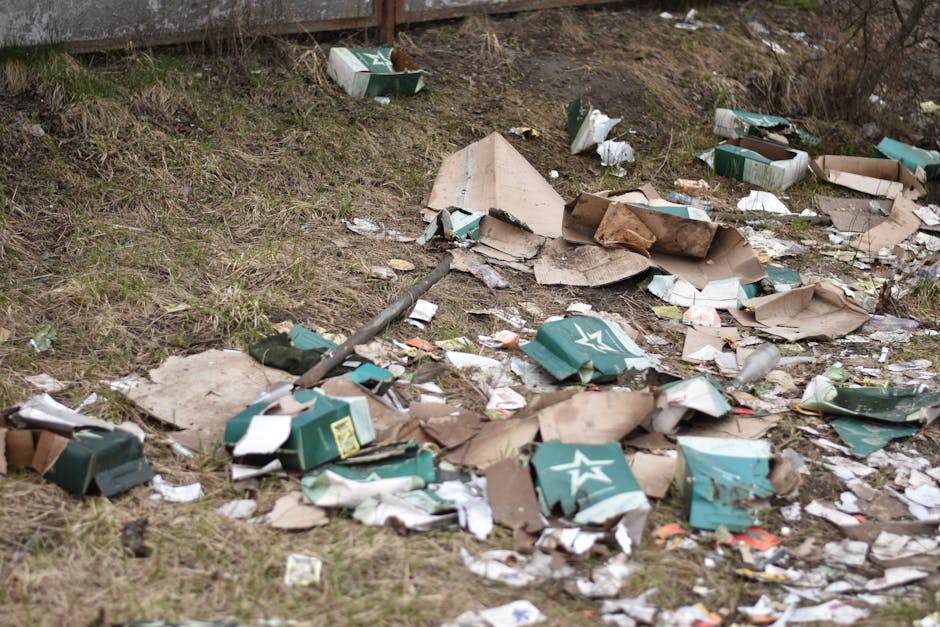
Fly tipping is one of those problems that feels small until it lands on your doorstep. A mattress dumped by the pavement. A broken wardrobe left beside the bins. Builders' rubble left in a quiet corner just after dark. In SE11, where streets are busy, homes are close together, and access can be tight, rubbish mistakes can turn into real trouble fast. This guide to fines for fly tipping SE11 rubbish clearance legal guide explains what counts as fly tipping, who can be fined, how liability usually works, and how to clear rubbish legally without creating a mess for yourself or your neighbours.
If you are dealing with a house move, a flat clearance, a garden tidy-up, or leftover renovation waste, the goal is simple: keep it lawful, keep it sensible, and keep it off your record. We will walk through the practical side of the issue, the local considerations that matter in Kennington and SE11, and the steps that reduce risk. And yes, a little caution goes a long way here. One careless decision can become an expensive one.
Why fines for fly tipping in SE11 matter
Fly tipping is not just an eyesore. It can block pavements, attract vermin, create hazards for pedestrians, and trigger complaints that ripple through a whole street. In SE11, that matters because the area combines residential terraces, mansion blocks, station traffic, narrow side roads, and the usual London pressure on public space. Left in the wrong place, a single item can quickly look like a pattern.
The legal risk is also broader than many people realise. Fly tipping penalties are not only about the person who physically dumps waste. In some situations, the person who arranged the disposal, failed to check a collector, or handed over rubbish to an unlicensed operator can end up under scrutiny too. That is why this topic is not just for people who have dumped something themselves. It matters to landlords, tenants, homeowners, builders, office managers, and anyone using rubbish clearance in SE11.
There is also a reputational angle. If you are selling a property, managing a let, or running a business locally, rubbish left in the wrong way can create a bad impression immediately. It is the sort of thing people notice before they notice anything else. You know the feeling: the bin area looks fine one day, then on the next there is a pile of black sacks and broken plastic beside it. Not great.
If you want a broader feel for the local context around waste habits and neighbourhood life, it can help to look at the area itself through articles like life in Kennington and wider discussions on waste management in major cities. Those pieces are useful reminders that rubbish handling is not an isolated task; it is part of how a place functions day to day.
How fines for fly tipping SE11 rubbish clearance legal guide works
At a basic level, fly tipping means illegally depositing waste on land that is not licensed or authorised to receive it. That might be a pavement, alleyway, communal yard, park edge, roadside, private forecourt, or a bit of land behind a block of flats. Even if the rubbish seems harmless, the location matters. A bag of clothes left beside a closed shop can still be treated as illegal dumping if it was placed there without permission.
Enforcement usually follows a few common paths. Complaints may come from residents, building managers, council teams, or local patrols. Waste may be traced through addresses, labels, receipts, post, delivery slips, or other identifying material. Sometimes there is clear evidence. Sometimes it is messy and circumstantial. Either way, the person connected to the waste can be questioned.
It helps to think in layers:
- The act: waste is left where it should not be.
- The responsibility: someone arranged, caused, or allowed it.
- The evidence: what can be linked back to the source.
- The penalty: a fixed penalty, council action, prosecution, or removal costs, depending on the circumstances.
For householders, the key issue is diligence. If you hand waste to someone who looks cheap but cannot show they are operating properly, you may still face problems later. For landlords and businesses, that responsibility can be even more pronounced because there is a stronger expectation to manage waste carefully and keep records.
This is where using a lawful, transparent disposal route matters. In practice, people often compare a private clearance service with other routes. If you are deciding what level of help you actually need, the service overview at services overview and the practical advice on your rubbish removal needs are both helpful starting points.
Key benefits and practical advantages
Lawful clearance is not just about avoiding penalties, although that is a very good reason. It also saves time, clears stress, and reduces the chance of last-minute scrambles. A proper approach usually feels calmer from the start because you know where the waste is going and who is responsible for it.
Here are the main benefits in plain English:
- Reduced legal risk: less chance of being connected to fly tipping or improper disposal.
- Cleaner premises: fewer complaints from neighbours, tenants, or building managers.
- Better documentation: useful if you need to show due care.
- Safer handling: less chance of injury from lifting, sharp items, or awkward bulky waste.
- More predictable outcomes: clear plan, clear timing, clear disposal route.
There is also a practical comfort factor. If you are clearing a flat near Kennington Park, handling an office move, or dealing with the aftermath of a refurb, you do not want waste hanging around for days. It starts to smell, gets in the way, and creates pressure you do not need. One small pile becomes three. Then the corridor looks like a storage unit nobody asked for.
For anyone comparing clearance methods, it can be useful to look at how different services support different situations. For example, a household clean-out may be better served by house clearance in Kennington, while building jobs are often more suited to builders' waste disposal. Matching the service to the waste type is one of the simplest ways to avoid mistakes.
Who this guide is for and when it makes sense
This guide is for anyone in SE11 who has rubbish to remove and wants to avoid legal headaches. That includes:
- homeowners clearing out lofts, garages, sheds, or old furniture
- tenants moving out and trying to avoid leaving a mess behind
- landlords dealing with end-of-tenancy rubbish
- builders and tradespeople handling renovation debris
- office managers clearing desks, chairs, and archived waste
- gardeners or householders managing green waste
- people helping older relatives or sorting a deceased estate
It also makes sense if you are not sure whether the item can go out with normal collections. Bulky waste, plasterboard, soil, treated timber, fridges, paint, and mixed construction debris often need more care than standard household rubbish. That is where people get caught out. The waste looks ordinary, but the disposal rules are not.
And if you are in a Victorian terrace, a basement flat, or a building with awkward access, the practical challenge can be as big as the legal one. Narrow stairs, a shared hallway, no parking nearby, a rear alley that is barely wide enough for a wheelbarrow - all of that changes what is sensible. If that sounds familiar, the article on access problems and fixes in Victorian terraces may save you a lot of time.
Step-by-step guidance
Here is the straightforward way to handle rubbish legally and reduce the risk of fly tipping issues.
1. Identify exactly what you have
Separate household rubbish from bulky waste, garden waste, electrical items, and construction materials. A mixed pile can change the disposal route and the cost. It can also affect what the collector is allowed to take.
2. Decide what can be reused, donated, recycled, or cleared
Not every item needs to go straight to disposal. Some furniture, fittings, and appliances may be suitable for reuse if they are in decent shape. That is not just kinder to the environment; it can also reduce the amount of waste you pay to move.
3. Check the disposal route carefully
If you are using a third party, make sure they are operating transparently and can explain where the waste goes. Ask direct questions. If the answers are vague, that is usually a bad sign. Cheap is not the same as lawful. Let's be honest, that gap matters.
4. Keep records
Keep a note of who collected the waste, when they collected it, and what they took. Even simple documentation can help if a question comes up later. For businesses and landlords, records are especially valuable.
5. Avoid leaving waste outside early
In residential streets, putting rubbish out too early can create problems. Wind scatters bags, rain breaks down cardboard, and passers-by sometimes add their own waste. By early evening the area can look far worse than it did at lunchtime.
6. Arrange the right kind of clearance
A garden clear-up is not the same as an office move, and neither is the same as a post-build site clear-out. Choosing the right service reduces confusion and helps the waste get handled properly. If you are dealing with green waste specifically, the guidance on garden waste and permit questions in Kennington can be a helpful companion read.
Expert tips for better results
After a while, the difference between a smooth clearance and a stressful one usually comes down to a few practical habits.
- Label what stays and what goes. It sounds basic, but in a busy home or office it prevents mistakes.
- Take photos before the clearance. Useful for your own records, especially if several people are involved.
- Group items by type. Furniture with furniture, bags with bags, green waste together. It speeds things up.
- Be wary of cash-only operators. Not always a red flag, but it deserves extra questions.
- Ask about access before the crew arrives. Parking, stairs, and timing all matter in SE11.
- Check pricing clearly up front. Hidden extras are a classic source of frustration. If you want a deeper look at that issue, read what to avoid in Kennington rubbish clearance quotes.
A small thing, but a useful one: if the pile is growing, stop and reassess before you add more. Rubbish decisions made in a rush are rarely the best ones. I have seen people keep "just one more bag" outside for days. It never ends as planned. Never.
Common mistakes to avoid
The mistakes that lead to fly tipping trouble are usually not dramatic. They are ordinary, boring little errors, which is almost worse.
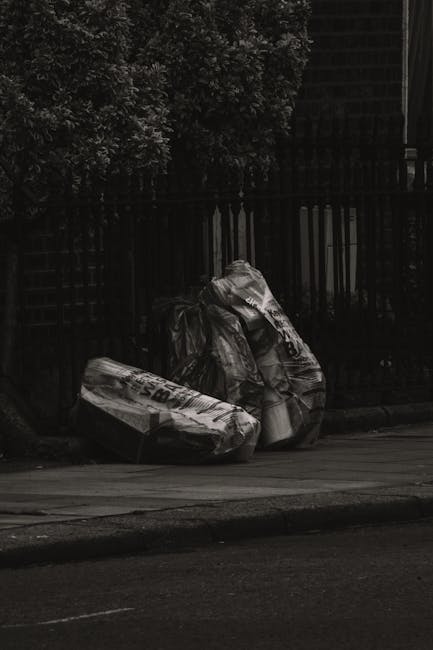
- Leaving waste next to a full bin area: if it is not placed correctly, it can be treated as dumped waste.
- Handing rubbish to an unverified collector: once it leaves your hands, you still need to know where it goes.
- Assuming small items do not matter: one bag can still cause a problem.
- Mixing hazardous or restricted items into general rubbish: batteries, chemicals, and sharp materials need special care.
- Not checking landlord or building rules: communal properties often have their own expectations.
- Using the wrong service for the waste type: a shortcut can turn into a penalty, or at minimum a second job.
People sometimes think a "quick drop" somewhere out of sight is harmless. To be fair, that is exactly how problems begin. Behind garages, in alleyways, by a hedge, outside the wrong property - it all counts. And in a dense area like SE11, it is noticed faster than you might expect.
Tools, resources and recommendations
You do not need a big toolkit to deal with rubbish properly, but a few things make life easier.
- Heavy-duty sacks and gloves: useful for sorting and moving waste safely.
- Storage boxes or tape: helps separate reusable items from disposal items.
- Phone camera: simple evidence of what was present and what was removed.
- Measuring tape: useful for bulky items where access is tight.
- Notebook or notes app: to record collection details, dates, and names.
On the service side, the pages on waste removal in Kennington and rubbish clearance in Kennington are useful if you want to understand what a proper local clearance service should cover. If you are planning a bigger project, the pricing and quotes page is a sensible next stop for understanding how estimates are usually presented.
If your situation involves moving out, selling, or clearing a property, local context helps too. The area notes in insider insights on Kennington living and the property-focused article on selling your property in Kennington are both practical background reads, because presentation and waste management often go hand in hand.
Law, compliance, standards and best practice
When the topic is fly tipping, the safest approach is to stay conservative and careful. Laws and enforcement can change, and outcomes depend on evidence, intent, and the type of waste involved. So rather than assuming one fixed outcome, focus on best practice.
Good compliance habits usually include:
- using responsible, traceable waste handling
- checking what a collector will take before booking
- keeping evidence of the clearance
- separating different waste types
- avoiding illegal roadside or pavement dumping
- following site-specific or building-specific waste rules
For homes, landlords, and small businesses, the main practical standard is simple: do not hand rubbish to someone unless you are comfortable explaining exactly why you trusted them. If that feels shaky, it probably is. And if you are dealing with builders' waste, use the proper route from the start, such as the dedicated local page on builders' waste disposal in Kennington.
There is also a sustainability angle here. Fly tipping is the opposite of responsible waste handling, and it undermines recycling efforts, neighbourhood cleanliness, and local confidence. Articles like recycling and sustainability and how London is tackling waste disposal and sustainability show why the broader picture matters. Proper disposal is not glamorous, obviously, but it is one of those background things that makes a city work.
Options, methods, or comparison table
If you are trying to choose the right route for SE11 rubbish clearance, this comparison should help. The best option depends on volume, urgency, access, and how much risk you want to take on. Truth be told, most people need something simpler than they first imagine.
| Option | Best for | Pros | Watch-outs |
|---|---|---|---|
| Council collection or local disposal route | Smaller amounts, planned clear-outs | Familiar process, straightforward for simple waste | Timing may be slower; some items may not be accepted |
| Private rubbish clearance | Bulky waste, mixed items, same-day pressure | Faster, flexible, less lifting for you | Check the operator carefully; pricing and disposal method matter |
| DIY disposal | Very small loads with easy access | Control over timing and sorting | Time-consuming, physically demanding, easy to get wrong |
| Specialist builders' waste removal | Renovation and construction debris | Better suited to heavy or awkward materials | Must be matched to the waste type, especially mixed loads |
In many SE11 situations, a private clearance service is the practical middle ground because it handles access, lifting, and disposal in one go. For household projects, you may find the more general page on house clearance in Kennington more relevant, while offices tend to need a different rhythm entirely, which is where office clearance in Kennington fits better.
Case study or real-world example
Here is a realistic example, based on a common SE11 scenario.
A small family in a first-floor flat near a busy Kennington road decides to clear out before redecorating. There is an old sofa, a broken desk, two bags of mixed household rubbish, and a pile of torn-down shelving. The hallway is narrow, the lift is tiny, and the bins are already full. They consider leaving everything "just outside" overnight, but pause and think it through.
Instead, they sort the items, separate the reusable bits, and arrange a proper collection. They also take photos, keep the confirmation details, and make sure the waste goes with a legitimate clearance. The job is done in one visit. No bags left in the communal area, no complaints from neighbours, and no awkward letter from the building manager. A bit dull, maybe. But dull is good when it comes to compliance.
That same approach works for flats near Kennington Station flat clearance and for larger gatherings where rubbish builds up after events. If you have ever seen match-day litter or party leftovers multiplying faster than expected, the articles on The Oval event cleanups and party venues in Kennington make the pattern very easy to recognise.
Practical checklist
Use this before you put anything out or book a collection.
- Have I identified every item and separated different waste types?
- Do I know whether any item needs special handling?
- Have I checked who is collecting the waste?
- Can I explain where the waste will go?
- Have I kept photos or notes for my records?
- Is the access clear for safe lifting and loading?
- Are neighbours, building managers, or landlords aware if needed?
- Am I avoiding leaving waste outside too early?
- Have I checked the service details and pricing clearly?
- Does this route reduce the risk of fly tipping and unlawful disposal?
If you can tick those boxes, you are already ahead of a lot of people. Seriously, a lot.
Conclusion
Fines for fly tipping in SE11 are not something to shrug off or leave to chance. The safest route is to treat rubbish clearance as a proper responsibility, not a quick afterthought. Identify the waste, use a lawful disposal route, keep simple records, and avoid any collector or arrangement that feels vague or too good to be true.
The good news is that most fly tipping problems are preventable. With a little care, the right service, and a sensible plan, you can clear your space without creating legal, environmental, or neighbourly problems. That is especially true in a place like SE11, where access is tight, streets are active, and one bad decision is very visible.
Get a free quote today and see how much you can save.

Specializing in environmentally conscious junk removal, Chris has contributed significantly to helping thousands of business and home owners maintain properties devoid of rubbish.
 Tipper Van - Rubbish Removal and Waste Collection Prices in Kennington, SE11
 Luton Van - Rubbish Removal and Waste Collection Prices in Kennington, SE11