Do I need a permit for garden waste Kennington Lambeth Council
Posted on 31/07/2026
Do I Need a Permit for Garden Waste Kennington Lambeth Council?
If you are clearing hedge trimmings, grass cuttings, branches, or old planting from a Kennington garden, the permit question can feel a bit confusing. Do I need a permit for garden waste Kennington Lambeth Council, or can I just put it out, book a collection, or take it myself? The short answer is that most ordinary garden waste does not need a special permit for disposal, but some situations do call for permission, planning, or the right collection method. That is where people trip up.
In Kennington, the safest approach is to think about where the waste is going, how much there is, and whether a skip, van, or pavement use is involved. A small amount of green waste is very different from a major garden clear-out after landscaping. This guide breaks it down in plain English, so you can avoid fines, delays, and the usual last-minute scramble with bags of wet ivy on the front step. To be fair, garden waste is not glamorous stuff - but the rules around it can matter more than people expect.
This article also helps if your project sits alongside broader rubbish removal needs. If you are dealing with mixed waste, old fencing, or a full outdoor tidy-up, it may be worth looking at garden waste removal in Kennington and the wider service overview for a clearer picture of your options.
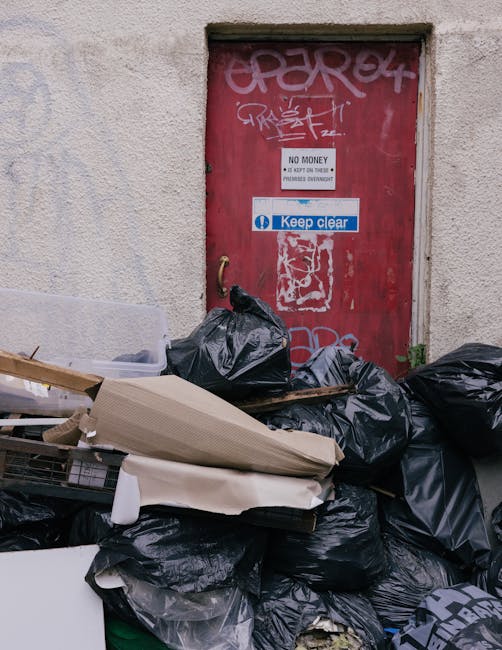
Why Do I need a permit for garden waste Kennington Lambeth Council Matters
Garden waste sounds simple: leaves, clippings, branches, soil, maybe a dead shrub or two. But in a busy London borough like Lambeth, the rules matter because waste has to be handled safely, legally, and without making life harder for neighbours. If you are in Kennington, you are likely working with shared streets, limited parking, narrow access, and occasional restrictions on loading or placing items outside.
That is why the permit question matters. A permit may not be needed for the garden waste itself, but it may be needed for the container, vehicle access, or pavement occupation involved in removing it. In other words, the waste is one issue; the logistics are another. And that difference is exactly where people get caught out.
There is also the practical side. If you misunderstand the rules, you may end up with waste sat around for days, attracting pests, getting in the way, or blowing into the street after a windy night. Nobody wants a pile of soggy branches outside a Kennington terrace when it starts raining at 7 a.m. That is not just untidy; it can become a nuisance pretty quickly.
For readers dealing with more than a quick tidy-up, the local context matters too. Kennington has plenty of homes with compact front gardens, shared entrances, and awkward access routes, which is why planning the waste removal method properly saves time and stress. You can also see how the area shapes everyday living in this local overview: life in Kennington.
How Do I need a permit for garden waste Kennington Lambeth Council Works
The cleanest way to think about it is this: garden waste removal usually falls into one of three practical scenarios.
- You are using household disposal or a council collection route.
- You are hiring a private collection service.
- You are placing a skip, container, or vehicle in a public space.
In the first two scenarios, a permit is often not the main issue. The question is usually whether the waste is accepted, how it should be separated, and whether the collection method is suitable for the location. In the third scenario, permits become much more likely, especially if a skip sits on the road or a vehicle needs to stay in a restricted area for loading.
If you are asking about Lambeth Council specifically, the safest assumption is that normal garden waste from your own property is fine to arrange for disposal, but any use of public land, kerbside obstruction, or skip placement should be checked before you go ahead. That caution saves headaches. Sometimes a small job becomes a bigger one simply because someone forgot there was nowhere legal to park a van for long enough to load it.
One useful detail people overlook: mixed waste can change the answer. Pure green waste is one thing. Green waste mixed with bricks, soil, broken pots, timber, or old garden furniture can move the job into a different category entirely. If you are also clearing out old sheds, planters, or fencing, take a look at builders waste disposal in Kennington because renovation-style materials are not treated the same way as cuttings and leaves.
And yes, wet grass in black bags is a classic underestimation. It looks light when you start. Ten minutes later it feels like you are moving bags of soup.
Key Benefits and Practical Advantages
Understanding the permit issue is not just about compliance. It also helps you choose the most efficient and least frustrating route for the job. When you get it right, you avoid waste sitting around, unnecessary costs, and the awkward "where can I put this?" conversation with yourself at the back gate.
- Fewer delays: You can schedule removal without waiting for a permit-related problem to be sorted out later.
- Cleaner presentation: Useful if you are tidying a garden before a sale, letting changeover, or family event.
- Better cost control: Knowing whether you need a permit helps you compare the real price of each disposal option.
- Lower stress: You are less likely to have waste piling up in the garden for a week because the first plan fell through.
- Safer access: Proper planning reduces trip hazards, blocked paths, and bags left where they should not be.
There is also an environmental benefit. Correctly separated garden waste is easier to recycle or compost through appropriate waste streams. That matters in a city where every extra bag that can be diverted away from mixed rubbish helps. If sustainability is part of your decision, you may also find this relevant: recycling and sustainability.
Practical summary: if your project is a standard garden tidy-up, the permit question is usually about access and placement, not the green waste itself. If you involve public space, skips, or mixed materials, check first.
Who This Is For and When It Makes Sense
This topic matters most if you are one of the following:
- a homeowner clearing a back garden after pruning season
- a tenant preparing to move out and restore an outdoor area
- a landlord dealing with overgrown shrubs or dumped garden clutter
- a property seller wanting the outside space to look presentable
- a gardener or landscaper working on a larger job in Kennington
- someone with no driveway, limited loading space, or shared access
If your garden waste is just a few bags of clippings, the answer may be straightforward. If you are cutting back mature hedges, lifting roots, removing sleepers, or hauling away heavy soil, the situation changes. Bigger jobs almost always involve more planning and sometimes more permissions, especially if a van or skip needs to occupy space outside the property.
People in Victorian terraces and converted flats face the most friction. The route from the garden to the street may involve steps, narrow side passages, or a communal hallway. If that sounds familiar, this practical guide may help: access problems and fixes for Victorian terrace clearance.
And if you are thinking, "I just want the stuff gone, honestly," that is completely fair. Many people do. The trick is choosing the route that works with the property rather than against it.
Step-by-Step Guidance
Here is a simple way to work through the permit question without overcomplicating it.
- Identify the waste type. Is it pure garden waste, or is it mixed with other materials like timber, rubble, or furniture?
- Estimate the volume. A few bags is very different from several cubic metres of cut branches and soil.
- Check the location. Will the waste stay entirely on private land, or will anything need to go on the pavement or road?
- Decide on the removal method. Council collection, private collection, skip, or self-haul?
- Consider access and timing. Early morning, school run traffic, parking controls, and neighbour access can all affect the plan.
- Confirm whether a permit is needed. If a skip or vehicle occupies public space, check the relevant permission requirements before booking.
- Separate the waste. Green waste, soil, and mixed waste are easier to manage when kept apart from the start.
A small example. Imagine you have trimmed a hedgerow in Kennington on a Saturday afternoon. You fill six sacks and a pile of branches sits in the side return. If a collection vehicle can take it from private property, that may be simple. But if the only way out is to leave bags on the street while you wait, then permits or permissions start to matter much more. The same waste, different logistics.
If you need a full end-to-end removal service rather than piecing together multiple solutions, the general waste removal in Kennington page is a sensible place to compare broader disposal needs.
Expert Tips for Better Results
There are a few things seasoned waste teams tend to watch for, and they make a genuine difference.
- Keep green waste dry where possible. Wet waste gets heavier fast, which can affect handling and costs.
- Separate soil from foliage. Soil is dense and often changes the practical method of disposal.
- Cut branches down before collection. Long limbs create awkward loading and can slow everything down.
- Avoid mixing in hidden extras. Old plant pots, metal stakes, and broken garden furniture can change the waste category.
- Plan for access at the gate. A clear route saves time and reduces the chance of damage to walls, paving, or fences.
- Book before the pile grows. Green waste seems harmless until it doubles after one more weekend of pruning.
Another good habit: take a quick look at timing around busy local events or constrained parking periods. In places like Kennington, a match day near The Oval or a busy weekday can turn a simple collection into a slow one. If your schedule is tight, that kind of detail matters more than people realise.
For readers who want a more polished service experience, the company's pricing and quotes page can help you understand how projects are usually assessed before booking.
Common Mistakes to Avoid
A lot of garden waste problems are avoidable. Most of them come from assumptions made in a hurry.
- Assuming all garden waste is treated the same. It is not. Green waste, soil, and mixed waste can require different handling.
- Leaving bags on public land without checking. That can create a nuisance or lead to enforcement issues.
- Forgetting about parking restrictions. A collection vehicle still needs somewhere lawful to stop.
- Mixing garden waste with general rubbish. This can increase disposal complexity and costs.
- Ignoring access problems until the day itself. Then everyone is standing around, moving bags twice. Not ideal.
- Booking the wrong size solution. A small job does not need overkill, but a large clear-out is a false economy if you underbook.
The hidden-cost angle matters too. One of the easiest ways to avoid frustration is to read the small print and understand exactly what is included in the collection. If that is on your mind, this related guide is worth a look: hidden charges in Kennington rubbish clearance.
Truth be told, people usually notice the mistake only after the bags are outside and the clock is ticking. That is when the stress starts.
Tools, Resources and Recommendations
You do not need fancy equipment to deal with garden waste properly, but a few simple tools make the job far easier.
- Heavy-duty garden sacks for leaves, grass, and smaller clippings
- Gloves for thorny cuttings, damp soil, and rough timber
- Secateurs or loppers for reducing branch size before removal
- Tarpaulin to keep a pile contained in the garden before collection
- Wheelbarrow for moving waste through narrow spaces more safely
- Measuring tape if you need to estimate volume for a quote or skip size
From a practical standpoint, the best "resource" is usually a clear waste plan. Decide what stays, what goes, and what can be reused or composted before anyone starts cutting. That one decision can save you a lot of back-and-forth. It sounds obvious, but in a real garden, with muddy shoes and secateurs in hand, obvious things get forgotten.
If you want to understand the wider service picture beyond green waste alone, the about us page and your rubbish removal needs overview are useful starting points for seeing how different clearances fit together.
Law, Compliance, Standards, or Best Practice
This is the part people often skip, then regret later. In the UK, waste has to be handled responsibly, and that includes garden waste. Even when a permit is not required for the waste itself, the disposal route still needs to be lawful and sensible. The key best-practice points are simple:
- Do not dump waste on public land.
- Do not block pavements, driveways, or shared entrances.
- Use the correct collection method for the waste type.
- Make sure any contractor dealing with your waste is operating safely and appropriately.
- Check whether the work affects shared spaces or highways.
For mixed waste or larger outdoor clearances, it is especially important to distinguish between green waste and construction-type waste. Soil, rubble, broken slabs, and timber offcuts are not just "garden stuff" in the practical sense. They can fall under different handling expectations, so the disposal plan should reflect that.
If you are weighing up a broader clean-up, the service pages and policy pages can help you understand standards around booking, payment, and safety. For example, insurance and safety gives a helpful signal about the kind of care you should expect from a professional operator.
In plain English: if your waste stays on your property and is collected legally, the permit question may never arise. If it touches the public highway, assume you need to check first.
Options, Methods, or Comparison Table
Different disposal methods suit different jobs. Here is a practical comparison to help you decide.
| Method | Best for | Permit likely? | Pros | Watch-outs |
|---|---|---|---|---|
| Council-style garden waste disposal | Routine green waste | Usually no for the waste itself | Simple, familiar, suitable for smaller volumes | May be limited by collection rules or booking availability |
| Private collection | Mixed or larger garden jobs | Usually only if access/public space is involved | Flexible, often faster, handles awkward loads | Pricing depends on volume and waste type |
| Skip hire | Large clear-outs and landscaping waste | Often yes if placed on the road | Good for substantial projects | Requires planning, space, and careful loading |
| Self-haul to a facility | Small to medium volumes | No permit for disposal itself, but transport still needs planning | Direct control, flexible timing | Time, vehicle size, and sorting all matter |
The table shows the basic truth: the permit is usually linked to where the waste sits and how it is moved, not to the plant trimmings themselves. A tidy pile of ivy is one thing. A skip standing on a street in Kennington is another.
Case Study or Real-World Example
Here is a realistic example from the kind of situation people face all the time in Kennington.
A homeowner in a Victorian terrace spends a Sunday clearing an overgrown rear garden. There are hedge cuttings, a few bags of leaves, a broken trellis, and some old soil from planters. At first they think it is all just garden waste. Easy enough. But the rear access is narrow, the front parking is controlled, and the only place to stage the bags is the pavement outside the house. Suddenly the simple tidy-up turns into a logistics question.
Rather than guessing, they split the waste into green waste and mixed items, keep everything on private land until collection, and choose a removal option that can load from the property without leaving bags in the street. The job gets finished in one visit, no hassle, no awkward conversations with neighbours, and no risk of a parking or placement issue. Nice and calm, really.
That is the real lesson. Most permit problems are not about the garden waste itself. They come from the space around it: access, timing, and where the pile ends up while you are waiting for it to go.
If you are dealing with a bigger clear-out that has similar access headaches, you might also find the page on Kennington station flat clearance rubbish removal tips surprisingly relevant because the same access principles often apply.
Practical Checklist
Use this quick checklist before you book or move anything.
- Have I separated green waste from mixed rubbish?
- Is any part of the job likely to use the pavement, road, or shared access?
- Do I know whether a permit or permission is needed for a skip or vehicle stop?
- Is the access route clear enough for loading?
- Have I estimated the volume honestly, not optimistically?
- Are there any soil, rubble, timber, or fencing pieces mixed in?
- Have I checked for parking or loading restrictions at the time I need?
- Do I want a simple removal solution rather than handling several trips myself?
- Have I read the booking terms carefully?
- Is my garden waste likely to be ready in one load, or will it need staging?
When in doubt, slow down for five minutes and look at the route from garden to kerb. That little walk often tells you everything you need to know.
Conclusion
So, do you need a permit for garden waste in Kennington under Lambeth Council rules? In many everyday cases, the answer is no for the green waste itself, but yes or possibly yes for the method of removal if you are using the public highway, a skip, or any setup that affects shared space. That distinction is the key.
The safest approach is simple: identify the waste type, check where it will be stored or loaded, and make sure your disposal method fits the property. If your garden tidy-up is small, you may just need a straightforward collection. If it is bigger, mixed, or access-heavy, plan early. That one step can save a lot of fuss later.
If you are still unsure, choose the route that keeps everything legal, tidy, and easy to live with. That is usually the best option anyway. A well-handled garden clear-out feels surprisingly good, especially when you can finally see the ground again.
Get a free quote today and see how much you can save.

Specializing in environmentally conscious junk removal, Chris has contributed significantly to helping thousands of business and home owners maintain properties devoid of rubbish.
 Tipper Van - Rubbish Removal and Waste Collection Prices in Kennington, SE11
 Luton Van - Rubbish Removal and Waste Collection Prices in Kennington, SE11